
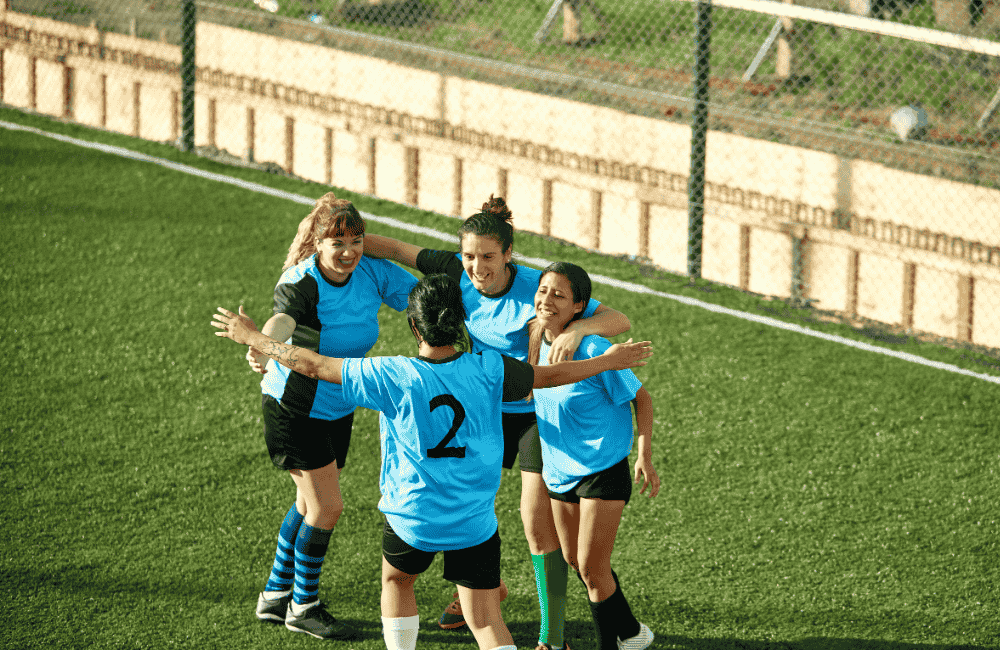
High-performing teams may fill trophy cases, but strong cultures fill hallways with pride, accountability, and energy. The difference is found in leadership development.
Instead of being taught, leadership is most often assumed — maybe the team captain role goes to the most outspoken player, the most decorated senior, or highest scorer, and the rest of the team’s off-the-court development is left alone. Coaches hope maturity will surface when it matters most. Sometimes it does. Often, it does not.
If athletic programs exist to prepare students for life beyond the field, leadership cannot be accidental.
The leadership gap in athletics
Talent and influence are not the same. A leading scorer may not know how to address conflict, and a vocal athlete may not understand how to support a struggling teammate. When leadership training is absent, culture becomes reactive, standards fluctuate based on personality, and teams rely heavily on coaches to manage issues that athletes could handle themselves with the right guidance.
While this does affect wins and losses, it also shapes retention, morale, and how athletes represent the school in the classroom and community. As an athletic director, you’re the person to address this gap across an entire department.
Making leadership a system, not a title
If leadership is a priority, it needs structure. By setting up department-wide leadership councils, you can bring together representatives from multiple sports. These groups can meet regularly to discuss expectations, school values, and peer accountability. Consistent messaging across all platforms and teams unites the whole department.
Leadership workshops that include representatives from multiple grade levels and sports. are another tier. ADs should use these meetings to address real situations athletes face: how to handle teammate conflict, how to respond publicly after a loss, and how to support a struggling peer. Even short sessions during preseason or midyear meetings can create changes and provide athletes with tools they can use immediately.
Finally, encourage your coaches to identify emerging leaders early. Underclassmen benefit both on and off the court from leadership exposure before senior year; Have them attend leadership meetings as observers or assistants before stepping into formal roles. This builds continuity and reduces the yearly reset many programs experience.
Culture is built daily
Athletic department culture is visible in the small moments like how teams respond after a loss, how they treat officials, and how they support other sports. This is why ALL athletes, not just those in captain roles, should be developing their leadership skills.
When every athlete understands the expectations placed on themselves and their team, and feels responsible for upholding them, accountability increases and coaches spend less time policing standards. When every member of a team has a role and a goal, team cohesion strengthens and habits are adopted faster.
Strong leadership from the athletics departments also supports school-wide engagement. Athletes who take ownership of culture often lead service initiatives, mentor middle school students, and represent the department at school events. If utilized in the right way, their influence can reach farther than the field.
A shift in measurement
Athletic Directors 411 knows how important statistics are for your job, and how many things there are to keep record of: wins, playoff appearances, participation rates, GPA … But just because leadership development may be more challenging to track, doesn’t mean it deserves less attention.
Consider evaluating how many athletes participate in leadership training and tracking retention within these programs. You may also add a section about team culture and peer accountability in your athlete and coach surveys. Indicators like these provide insight into the long-term health of your program.
It is widely recognized that employers value the leadership, teamwork experience, resilience, and coachability that former athletes bring to the workforce. Many companies actively seek out former athletes precisely because of these strengths, viewing them as assets who perform well under pressure, communicate effectively, and contribute positively to team culture. Let’s ensure that tradition continues — and that the impact of athletics extends from classrooms and courts into workplaces and communities. Making leadership development intentional rather than accidental starts with a choice at the top.