
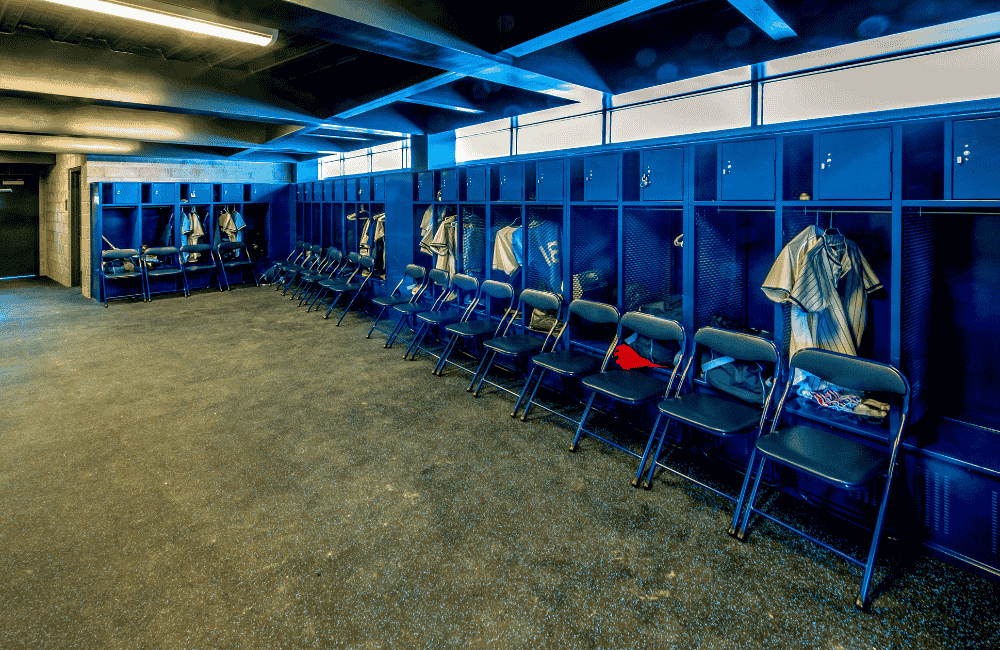
Your girls’ basketball team ends practice 20 minutes early to make way for the boys’ team. The weight room schedule hasn’t changed in years. The men’s locker room gets an upgrade; the women’s does not. I’ve experienced things like this; friends who played in different states, even different countries, have experienced this too — it happens in thousands of campuses across the world. Sure, no one means any harm, but intent doesn’t equal compliance.
Title IX often gets whittled down to only cover participation numbers or funding levels. Athletic directors cannot forget that it also applies to something more practical and often ignored: how and when student-athletes use your school’s facilities.
The Overlooked Side of Title IX
Many athletic directors assume that if budgets and roster spots are balanced, compliance boxes are checked. But equity in facility access is just as important. Locker room space, field maintenance, training equipment, and even practice times can all reveal subtle inequities. No matter how it started, one gender consistently getting prime time slots or better facilities can signal a problem. Although these issues usually occur due to habit rather than hostility, it’s your responsibility to make regular reviews a necessary step in keeping programs fair and compliant.
Facilities Equity Mini-Audit for ADs
A quick self-check can help uncover blind spots before complaints do.
- Are locker rooms comparable in size, privacy, and amenities such as showers and storage?
- In the weight room, do teams have equal access to quality equipment, coaching supervision, and hours of use?
- Is there a pattern of one gender consistently getting better practice time slots?
- Are field and court surfaces, lighting, and upkeep consistent across programs?
- Are teams treated equally when it comes to transportation and equipment storage?
Make sure to keep documentation of your findings. A one-page summary after each season shows transparency and helps demonstrate compliance if questions arise later.
Fixing Common Gaps
Once you identify small inequities, they’re usually simple to correct.
- Rotate prime practice times each season to ensure fairness.
- Standardize facility request procedures, so all coaches use the same scheduling process.
- Use a shared calendar to make scheduling visible and eliminate assumptions.
- Review access policies with staff annually to reinforce expectations and prevent old patterns from returning.
Even modest changes, like alternating locker room assignments for tournament prep or adjusting weight room schedules, show that fairness is something your program cares about and implements.
A Small Step, A Big Message
You don’t have to make spaces and equipment identical, but you do have to give every student-athlete an equal opportunity to use the facilities that help them succeed. Set aside one afternoon this month for a facilities equity check. It’s a fast, visible way to strengthen compliance, improve morale, and show every athlete that their team truly matters.