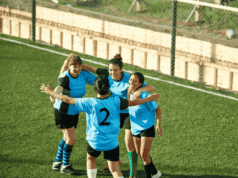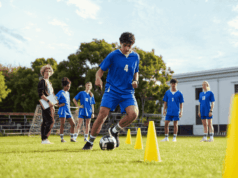

Did you know that over one-third of student-athletes report struggling with mental health issues like anxiety or depression? Add in the weight of academics, relentless competition, and the constant push to perform, and it’s clear why burnout is rising fast. While sports psychology has been mainly used for the pros, it’s becoming a game-changer at the high school and college level. By equipping athletes with tools to sharpen focus, build confidence, and manage stress, athletic directors can help them thrive both on the field and in life
Strategies + Culture: Building Mental Performance into Programs
Workshops & Expert Partners
Bring in sports psychologists, mental performance coaches, or former athletes to lead short modules on visualization, breathing, and goal-setting. These don’t need to be long or costly — just consistent and well-placed.
Coach Training & Embedded Practices
Train coaches to spot stress or burnout. Encourage them to include short mental drills (breaths, check-ins, visualization) in warm-ups or cooldowns. The more normalized these practices become, the more likely athletes will embrace them.
Elevating Culture
Mental performance should be a standing part of your program, not an add on. Reference high-profile athletes who openly discuss mental skills (for example, Simone Biles, Michael Phelps, Naomi Osaka). Celebrate resilience, leadership, and teamwork alongside wins and stats. A culture that respects psychological health encourages participation.
Overcoming Cost Barriers
Budget and time are often the biggest hurdles. Look for grants, community partnerships, or shared district resources to reduce costs.
AthLife Foundation / Academic Athletic Coach Grants
- The AthLife Foundation provides grants to high schools or districts to establish an Academic Athletic Coach role—someone whose full job is student-athlete development (academics, life skills, mental performance).
- For example, in the Lehigh Valley, more than 3,000 student-athletes are now supported through such partnerships, funded in part by the AthLife grant programs and local foundation support (e.g. the Saquon Barkley / Hope Foundation)
DICK’S Sporting Goods / Sports Matter Grants
- The Sports Matter program has awarded $8.9 million+ in grants to support youth and school athletic programs across the country.
- While many grants are for equipment, registration, or infrastructure, the relief they provide to departments opens budget space to prioritize mental performance initiatives.
These examples show that athletic departments don’t need to fund everything themselves. Well-structured grants and external resources can offset costs and make programs sustainable.
Measuring Success
Success isn’t always seen on the scoreboard. Athletic directors can track progress with short athlete surveys that measure confidence, focus, and stress levels. Coaches can provide feedback on shifts in team culture, noting improvements in communication and resilience. And often, the most compelling evidence comes from stories — when a student-athlete talks about handling pressure more effectively or bouncing back from a setback, it shows these programs are working.
In 2025, sports psychology isn’t a luxury reserved for the big leagues anymore. With smart strategy, culture shifts, and external funding, athletic directors can lead holistic development that helps student-athletes excel on and off the field. Start small, build trust, and scale over time.