78.57% of Athletic Directors 411 survey respondents say sportsmanship has declined considerably in recent years. That statistic speaks volumes, especially considering 0% of respondents indicated an increase in sportsmanship. This perspective is backed by national trends, mounting incidents, and firsthand accounts from high school and college programs across the country. Declining sportsmanship points to an institutional challenge that can confront even the most well-run athletic departments.
Whether it’s verbal abuse toward officials, unsportsmanlike post-game behavior, or a visible erosion of mutual respect between competitors, the signs are clear: Sportsmanship, long considered a pillar of athletics, is in trouble.
A Culture Shift in Competitive Athletics
We’ve entered an era where “win-at-all-costs” thinking is overshadowing the character-building mission of school-based sports. Athletes mimic the behavior of their role models — coaches, upperclassmen, and, yes, the professional athletes they idolize. Unfortunately, not all those role models are setting the right tone.
The National Federation of State High School Associations (NFHS) reported a steady uptick in poor conduct across high school sports. According to a 2023 survey of 35,000 officials, nearly 70% believe sportsmanship is worsening. Incidents of verbal abuse toward referees, taunting, excessive celebration, and retaliatory actions during competition are becoming systemic.
In the college ranks, the issue is further complicated by media visibility, NIL pressures, and social media amplification of toxic behavior. In many cases, athletes are under enormous pressure to perform, to build a personal brand, or to use aggression as a sign of dominance. And without a strong institutional stance, unsportsmanlike conduct festers.
The Real-World Consequences
Referee Shortages and Game Disruptions
Poor treatment of officials is directly contributing to attrition. New officials often don’t last more than a season due to hostile environments. The impact is seen in game delays, limited scheduling options, and overworked officiating crews, especially in smaller markets.
Damaged Inter-School Relationships
When teams gain a reputation for unsportsmanlike play, it leads to strained relationships with other programs and leagues. That can affect scheduling opportunities and even postseason considerations.
Student-Athlete Conduct Spillover
Athletes who are not held accountable in competition may carry that behavior into classrooms, locker rooms, and campus life. Poor sportsmanship is often a red flag for broader behavioral issues.
Rebuilding the Standards
As the architects of athletic culture, high school and college athletic directors must lead this course correction. Here are five strategic approaches proven to help rebuild a climate of respect and accountability:
1. Set a Department-Wide Sportsmanship Standard
Your program’s definition of success must include character. Develop a department-wide code of conduct that outlines expectations for athletes, coaches, and staff. More than general values, this is about explicit, enforceable standards.
Tactic: Launch a sportsmanship campaign, like the NCAA’s RESPECT Campaign, at the start of every season. Use signage, messaging, and pledges to unify the vision across all sports.
2. Coach the Coaches
Athletes model their coaches’ behavior, especially under pressure. Ensure your staff is trained not only in strategy but in emotional regulation, de-escalation, and leadership. Coaches who berate officials or tolerate taunting are complicit in the decline.
Tactic: Require annual training or professional development focused on sportsmanship and sideline conduct, possibly tied to contract renewals.
3. Make Accountability Visible
Accountability can’t be private if you want to change culture. Instituting real consequences like suspensions, behavioral reviews, or required conduct workshops sends a message.
Tactic: Publicly track and report sportsmanship metrics alongside wins/losses. Recognize teams that exemplify integrity, not just athletic success.
4. Empower Officials and Event Staff
Officials should not feel alone. Empower them with the support of administration to take swift action against misconduct, and back them when they do.
Tactic: Assign an onsite administrator or game manager for all home contests. Their role includes monitoring bench and spectator behavior and de-escalating issues before they escalate.
5. Promote and Celebrate Character
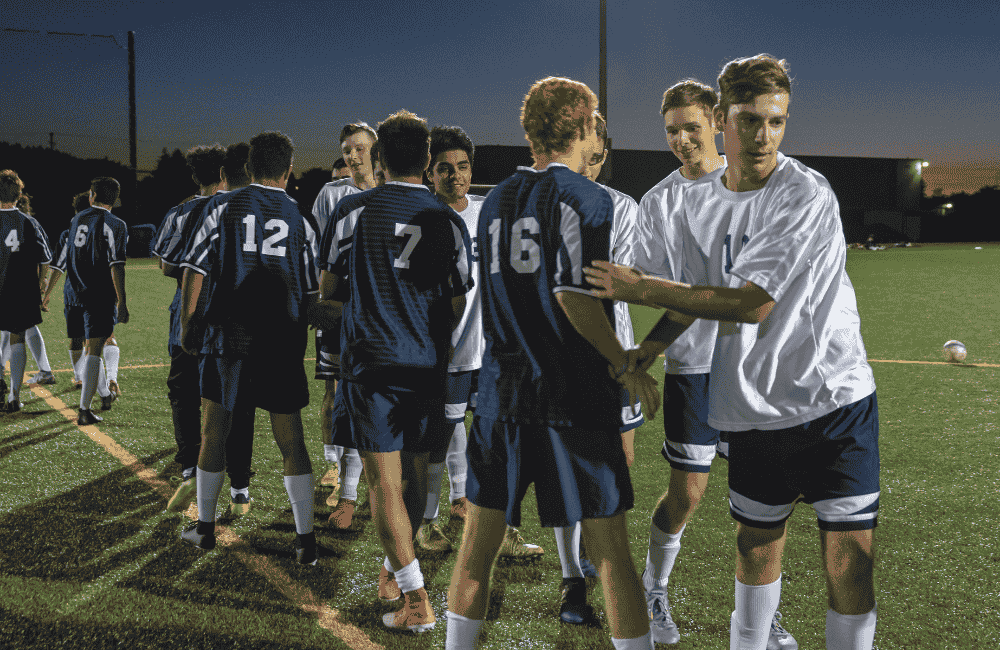
Culture changes when good behavior is rewarded just as visibly as points on a scoreboard. Whether it’s pre-game handshakes, post-game recognition, or peer-nominated awards, elevating sportsmanship can make it aspirational again.
Tactic: Adopt models like Hendersonville, Tennessee’s “Honor the Game” initiative, where athletes are recognized and celebrated for outstanding conduct.